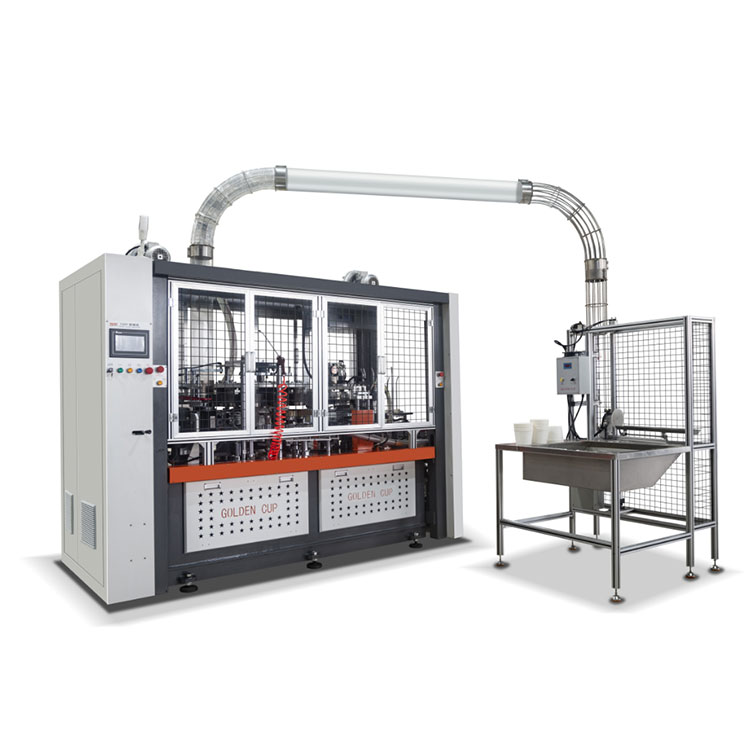
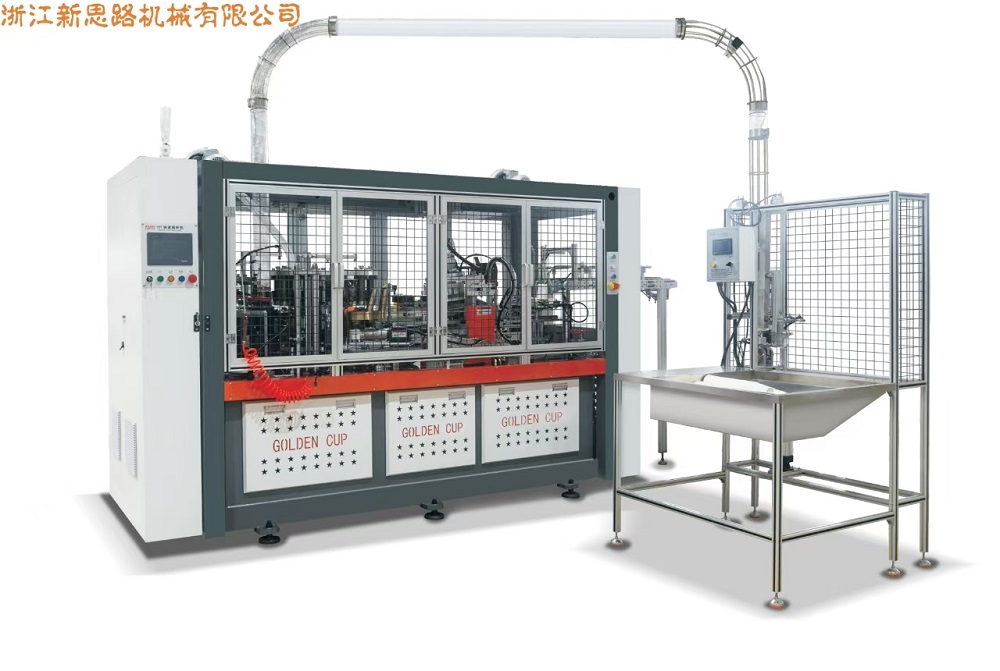
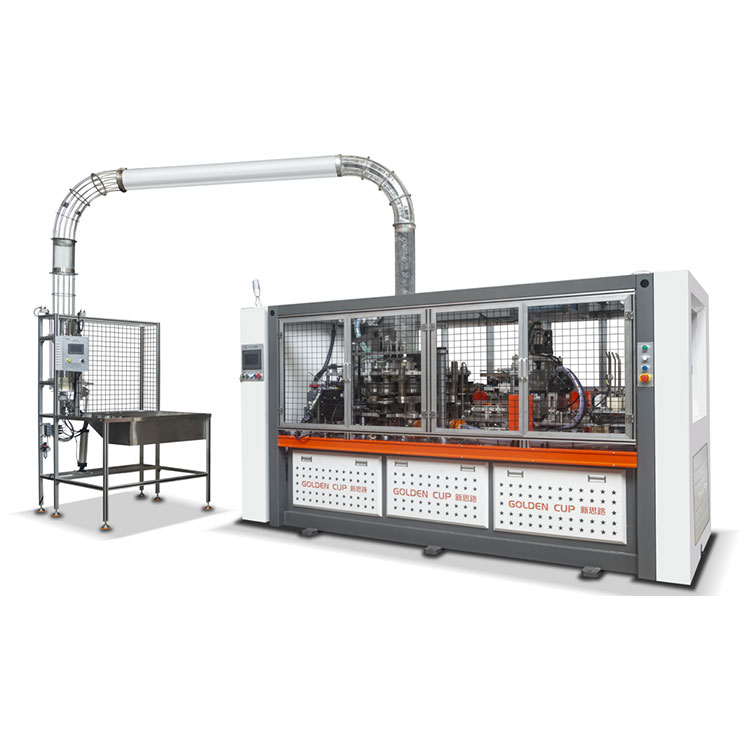
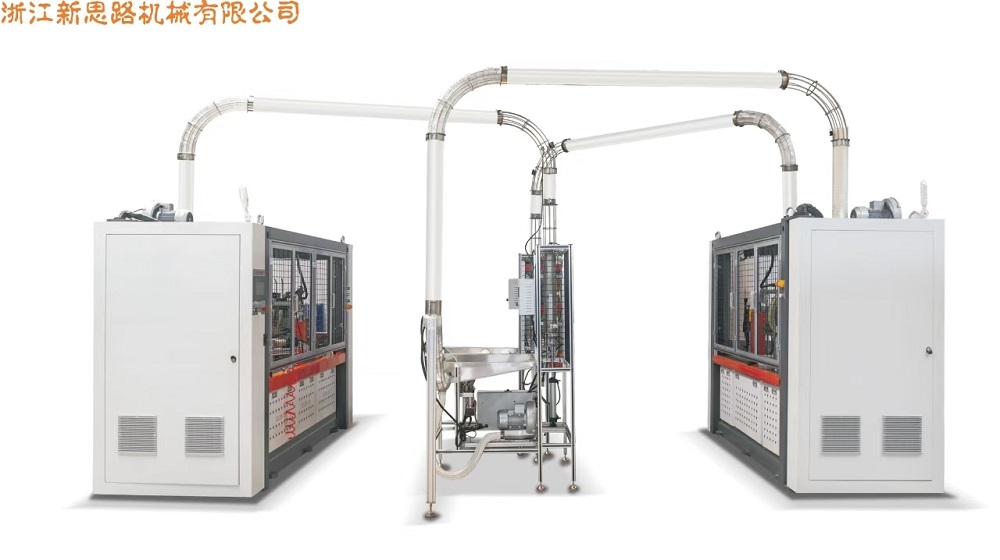
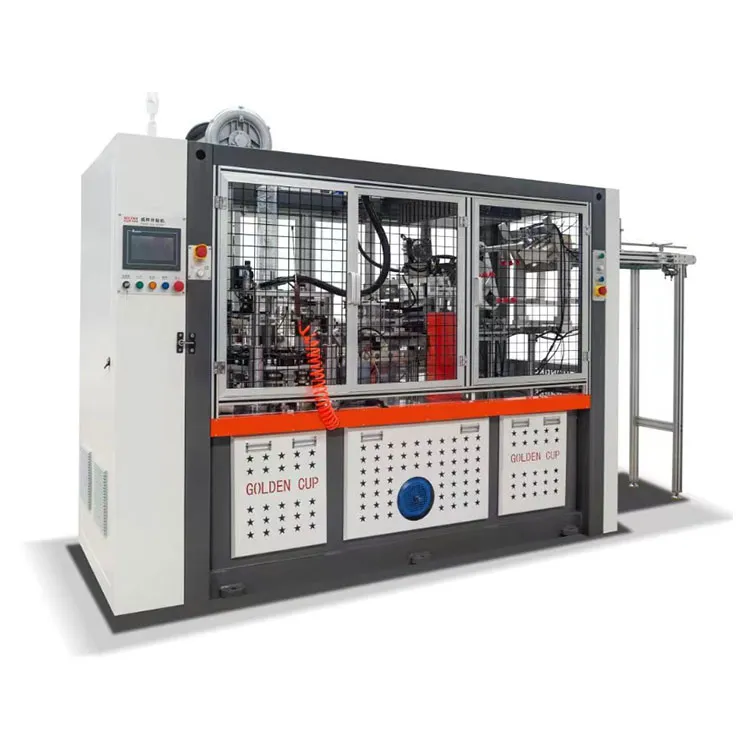
The shift toward fiber-based foodservice packaging has placed unprecedented pressure on manufacturers to deliver bowls that are structurally reliable, visually consistent, and compatible with modern barrier coatings. The XSL-2000S/XSL-2000F Salad Bowl Machine /square Paper Bowl Machine addresses this convergence of demands through a dual-model forming platform that separates round bowl production from square bowl production while sharing core transmission, control, and hygiene engineering. This article examines the machine's technical architecture, material compatibility, maintenance logic, and integration pathways, offering production engineers and packaging strategists a structured reference for evaluating whether the platform aligns with high-volume, sustainability-driven foodservice operations.
- Why Fiber-Based Bowl Demand Reshapes Production Priorities
- The Dual-Model Logic: Round vs. Square Bowl Forming
- Technical Architecture and Motion Control
- Hygiene Engineering and Maintenance Accessibility
- Material Compatibility and Barrier Performance
- Integration with Sleeve and Inspection Systems
- Performance Boundaries and Operational Realities
- Frequently Asked Questions
1. Why Fiber-Based Bowl Demand Reshapes Production Priorities
Foodservice operators are navigating a structural change in how ready-to-eat meals are packaged. Regulatory pressure on single-use plastics, combined with consumer preference for compostable and recyclable materials, has accelerated the replacement of molded plastic bowls with paperboard alternatives across salad bars, cloud kitchens, and quick-service chains. Paper bowl formats now account for a growing share of takeaway food packaging, and the global paper bowl market has been projected to expand at a compound annual rate of roughly 6.5% through the early 2030s[reference:0]. This expansion is not simply a volume story; it is a specification story, because fiber bowls must perform under conditions that plastic previously handled without complaint.
Salad bowls introduce a specific set of engineering constraints. They require sufficient rigidity to resist deformation when filled with dense, moist ingredients. They need barrier layers that prevent moisture migration and oil staining without compromising recyclability. They must nest efficiently for logistics while separating cleanly during denesting on high-speed lines. And they increasingly carry brand graphics that demand precise seam formation and dimensional repeatability. For production teams, the XSL-2000S/XSL-2000F Salad Bowl Machine /square Paper Bowl Machine platform enters this landscape not as a generic cup former but as a bowl-focused system with distinct round and square configurations.
2. The Dual-Model Logic: Round vs. Square Bowl Forming
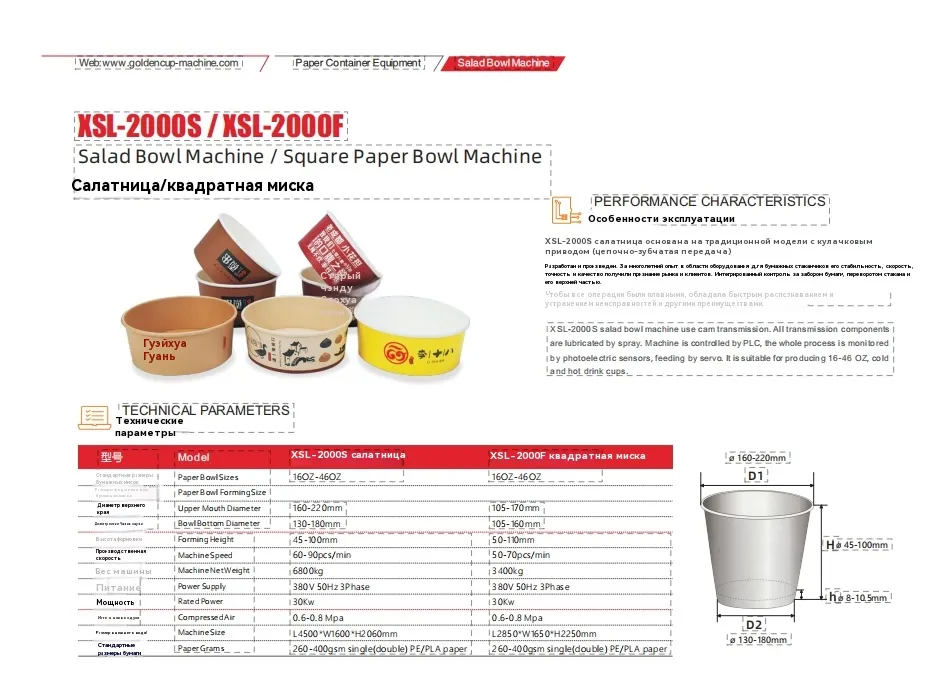
The platform is organized around two model variants that share a common control and transmission foundation but diverge in forming geometry. The XSL-2000S is configured for round salad bowls, accommodating a forming size range of 160–220 mm in upper mouth diameter and 130–180 mm in bottom diameter, with a forming height of 45–100 mm. The XSL-2000F is the square bowl configuration, with an upper mouth diameter range of 105–170 mm, a bottom diameter range of 105–130 mm, and a forming height of 50–110 mm. Both variants address the 16–46 oz capacity band that dominates salad, grain bowl, and meal-prep packaging.
This dual-model approach matters because square bowls and round bowls are not interchangeable in downstream operations. Square formats maximize volumetric efficiency during transport and shelf presentation, while round formats align with conventional lid inventories and circular denesting tooling. A production floor that serves multiple customers or menu programs benefits from a single machine family that can be configured to either geometry without rebuilding the entire operational logic around an unfamiliar platform.
Shared platform characteristics
- Desktop-style structural separation isolates the forming mold from the transmission unit, keeping the product zone distinct from lubricated mechanical components[reference:1].
- Enclosed transmission system sits beneath the table frame, with automatic lubrication and a barrel-type indexing mechanism for smooth indexing motion[reference:2].
- PLC-based control with photoelectric tracking and servo feeding supports repeatable forming cycles and reduces manual intervention during size adjustments[reference:3].
3. Technical Architecture and Motion Control
The machine's motion architecture is built around a cam-driven transmission with longitudinal shaft drive. Cam transmission is a deliberate choice in bowl forming because it produces a mechanically synchronized sequence of blank feeding, pre-forming, final forming, and ejection without relying exclusively on electronic timing for every axis. The result is a rhythm that is mechanically defined and therefore less sensitive to minor fluctuations in servo response during long production runs.
Servo feeding governs the paper blank introduction, while photoelectric tracking monitors the registration of pre-printed paper. This combination is particularly relevant for bowls that carry brand graphics or barrier coatings applied in register. When the printed pattern drifts, the photoelectric system detects the deviation and the servo feed corrects the blank position before forming. The control system consolidates these functions into a single PLC interface, allowing operators to adjust forming parameters and monitor fault conditions from one panel rather than coordinating separate subsystems.
Core motion and control elements
- Cam transmission: mechanically synchronized forming sequence with longitudinal shaft drive.
- Barrel-type indexing: smooth and durable intermittent motion for the mold table.
- PLC control: centralized parameter management and fault diagnostics.
- Servo feeding: precise blank positioning, especially for registered print.
- Photoelectric tracking: continuous registration monitoring during production.
4. Hygiene Engineering and Maintenance Accessibility
In food-contact packaging production, hygiene is not a finish applied at the end of the line; it is a property of the machine's geometry. The platform's desktop-style structure creates a physical separation between the forming mold area and the transmission system. Paper dust and fiber debris generated during forming remain in the product zone, while lubricated cams, shafts, and indexing mechanisms remain enclosed below. This separation reduces the risk of lubricant migration into the product stream and simplifies cleaning because operators are not navigating around exposed mechanical linkages.
Automatic lubrication of the transmission components further supports maintenance planning. Instead of manual greasing intervals that depend on operator discipline, the enclosed transmission receives lubricant through a controlled system. For plants running multiple shifts, this reduces the variability introduced by manual maintenance schedules and keeps the transmission in a more stable operating condition over time.
Maintenance-oriented design choices
- Forming mold accessibility without dismantling the transmission enclosure.
- Enclosed lubrication points reduce exposure to paper dust and fiber debris.
- Barrel indexing reduces shock loading compared with some intermittent drive alternatives.
- PLC diagnostics shorten troubleshooting time by identifying fault locations and conditions.
5. Material Compatibility and Barrier Performance
The machine accepts single-PE, double-PE, and PLA-coated paper stocks in the 260–400 GSM range for both model variants. This material window is significant because it spans the practical range of bowl applications. Lighter stocks in the lower end of the range suit dry or minimally moist contents, while heavier stocks and double-PE or PLA coatings support salads with dressings, grain bowls with sauces, and chilled meal-prep formats that place sustained moisture pressure on the seam and bottom radius.
PLA-coated paper has become increasingly relevant as brands seek compostable barrier solutions that align with fiber recovery streams. The machine's forming parameters can be adjusted to accommodate the slightly different slip and heat-response characteristics of PLA compared with polyethylene. Producers evaluating a transition from PE to PLA should validate forming temperature, dwell time, and seam pressure on the specific paper stock they intend to use, because coating chemistry varies between suppliers and the machine's PLC allows recipe storage for repeatable changeovers.
| Specification | XSL-2000S (Round Salad Bowl) | XSL-2000F (Square Paper Bowl) |
|---|---|---|
| Paper bowl sizes | 16 oz – 46 oz | 16 oz – 46 oz |
| Upper mouth diameter | 160 – 220 mm | 105 – 170 mm |
| Bottom diameter | 130 – 180 mm | 105 – 130 mm |
| Forming height | 45 – 100 mm | 50 – 110 mm |
| Machine speed | 60 – 90 pcs/min | 50 – 70 pcs/min |
| Machine net weight | 680 kg | 3,400 kg |
| Power supply | 380 V 50 Hz 3-phase | 380 V 50 Hz 3-phase |
| Rated power | 30 kW | 30 kW |
| Compressed air | 0.6 – 0.8 Mpa | 0.6 – 0.8 Mpa |
| Machine size | L4500 × W1600 × H2060 mm | L2850 × W1650 × H2250 mm |
| Paper grams | 260 – 400 GSM (single/double PE/PLA) | 260 – 400 GSM (single/double PE/PLA) |
6. Integration with Sleeve and Inspection Systems
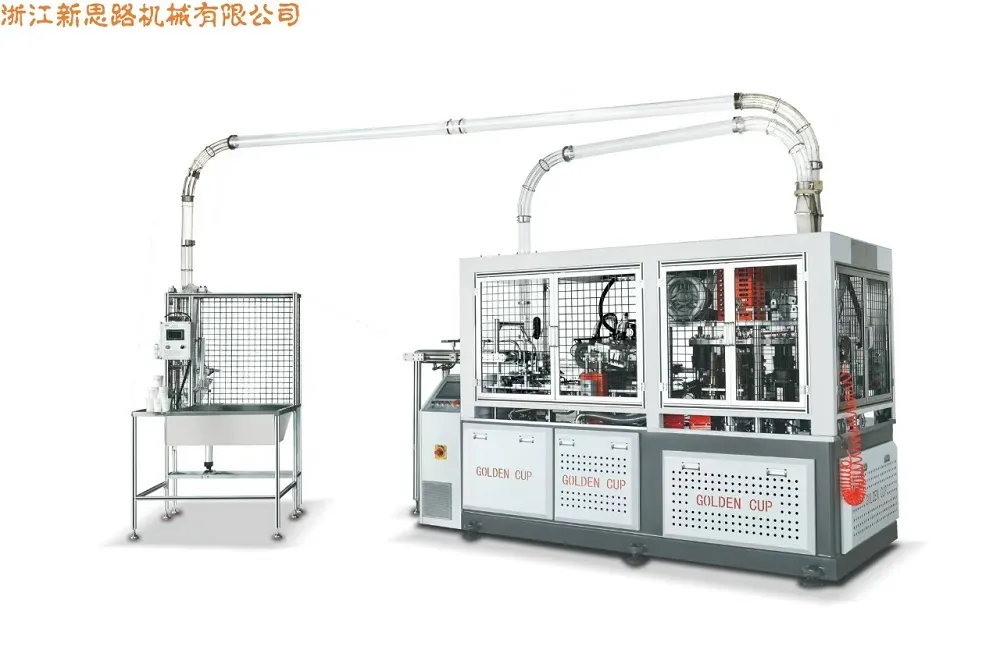
A bowl forming machine rarely operates as an isolated island in a mature production facility. The platform supports connection to the XSL-1500TW sleeve applicator, enabling the production of double-wall or ripple-wall bowls[reference:4]. Double-wall construction improves insulation and structural rigidity, while ripple-wall geometry adds both thermal performance and a distinctive tactile surface that brands use for premium positioning. The ability to add a sleeve applicator downstream means the same forming platform can serve both single-wall and double-wall product lines without duplicating the base forming asset.
Optional visual inspection can also be integrated for automatic quality detection[reference:5]. Visual inspection is particularly valuable for bowls with printed graphics or critical dimensional tolerances, because it can flag seam misalignment, coating skips, or dimensional drift before finished bowls reach packing. For operations supplying foodservice chains with strict packaging specifications, this inspection layer provides a documented quality record rather than relying solely on periodic manual sampling.
Downstream compatibility pathways
- XSL-1500TW sleeve applicator: transitions single-wall forming into double-wall or ripple-wall production.
- Visual inspection module: automatic detection of dimensional and print deviations.
- Denesting and counting interfaces: compatible with standard downstream handling equipment.
- PLC recipe storage: supports rapid changeover between bowl sizes and material specifications.
7. Performance Boundaries and Operational Realities
Published speed figures for the XSL-2000S indicate a machine speed range of 60–90 pieces per minute, with marketing material referencing up to 120 containers per minute under certain conditions[reference:6][reference:7]. The distinction matters for production planning. The higher figure may reflect optimized material, ideal forming conditions, or a specific configuration, while the 60–90 pcs/min range represents a practical operating band. Engineers evaluating the platform should treat the lower-to-mid range as the realistic planning basis and validate actual throughput with their specific paper stock, bowl geometry, and coating type.
The XSL-2000F square configuration carries a separate speed range of 50–70 pcs/min. Square forming introduces additional geometric constraints compared with round forming, because corner radii and flat sidewalls require different material flow and seam control. The machine's heavier net weight—3,400 kg for the F variant versus 680 kg for the S variant—reflects the more substantial forming structure required for square bowl geometry. These differences are not drawbacks; they are engineering trade-offs that production teams should map against their actual product mix before committing to a configuration.
Operational evaluation checklist
- Material validation: confirm that the selected paper stock and coating fall within the 260–400 GSM range and the single/double PE or PLA compatibility window.
- Tooling changeover: plan for mold and forming tool changes when switching between bowl sizes or between round and square models.
- Air supply stability: maintain 0.6–0.8 MPa compressed air to support consistent forming and ejection.
- Power infrastructure: verify 380 V 50 Hz three-phase supply and 30 kW rated power capacity.
- Downstream synchronization: confirm that sleeve application and inspection modules are timed to the actual output rate rather than the theoretical maximum.
8. Frequently Asked Questions
What is the primary difference between the XSL-2000S and the XSL-2000F?
Can the machine run PLA-coated paper without changing hardware?
How does the machine support double-wall bowl production?
What maintenance requirements should operators anticipate?
Is visual inspection available for printed bowl quality control?
Conclusion: A Platform Built Around the Realities of Fiber Bowl Production
The transition from plastic to fiber foodservice packaging is not a simple material swap. It requires forming platforms that can handle barrier-coated paper, maintain dimensional discipline across long runs, and integrate with downstream sleeving and inspection without creating new bottlenecks. The XSL-2000S/XSL-2000F Salad Bowl Machine /square Paper Bowl Machine responds to these realities through a dual-model architecture that shares control logic, hygiene separation, and material compatibility across round and square bowl formats. For production environments where flexibility across bowl geometry is as important as raw speed, the platform provides a structurally coherent starting point rather than a single-purpose cup former adapted for a different job.
Manufacturers evaluating this platform should begin with a clear map of their product mix, material specifications, and downstream equipment. The machine's PLC recipes, modular sleeve and inspection options, and separation of product zone from transmission zone all support a staged adoption path. As fiber-based salad bowls continue to displace plastic in foodservice and retail channels, the value of a forming system that can evolve with format changes and coating advancements will remain central to production strategy.
For engineering teams seeking to align forming capability with sustainability targets and high-volume foodservice specifications, the next step is a direct technical conversation. Golden Cup maintains application engineering resources to support material trials, tooling configuration, and integration planning for both the XSL-2000S and XSL-2000F variants. Whether the requirement is round bowl throughput, square bowl volumetric efficiency, or a combined line with sleeving and visual inspection, the platform's architecture is designed to be configured rather than rebuilt.
Contact us to discuss your bowl forming requirements and request a tailored configuration review.
Contact Us