News

The Essential Operator’s Handbook for Automatic Paper Cup Machines

2026-07-30 0 Leave me a message

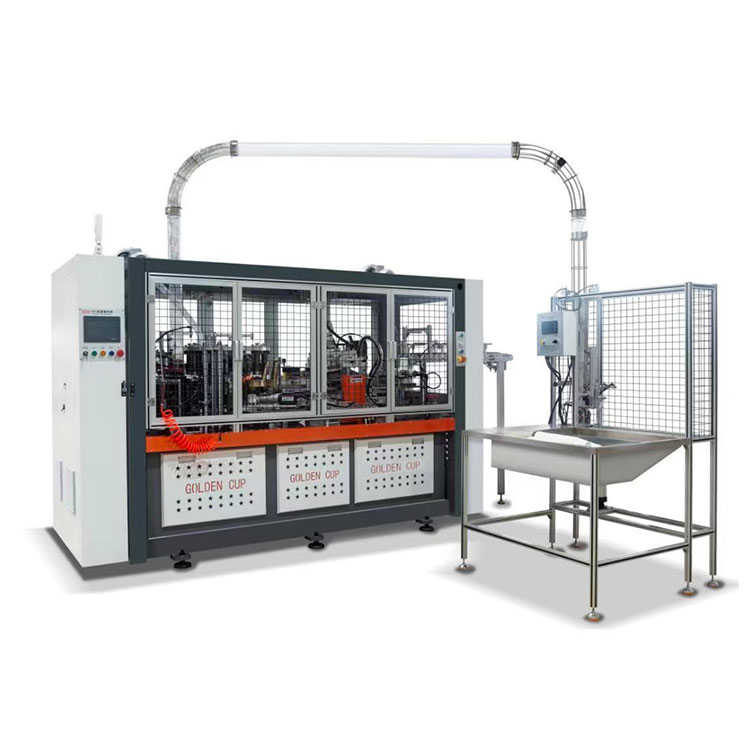
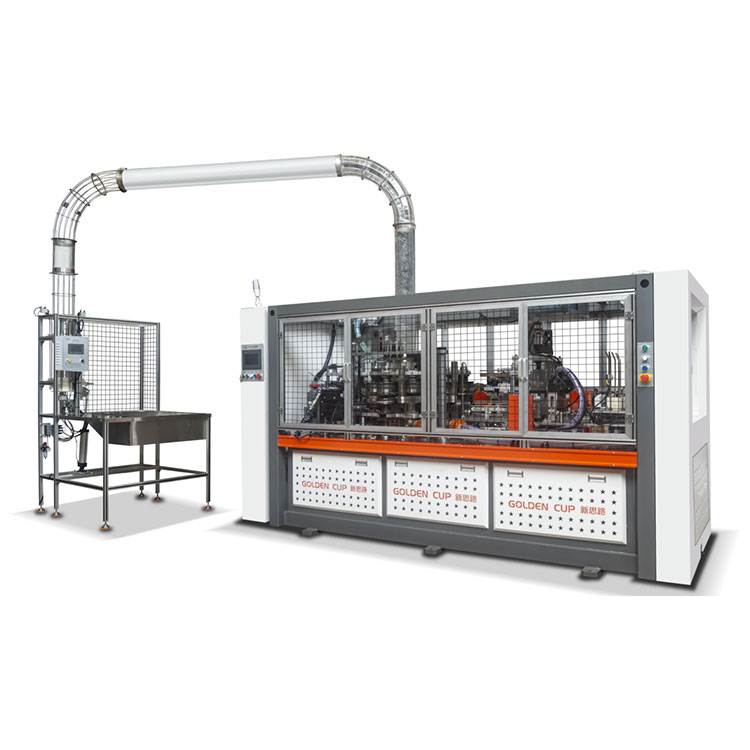
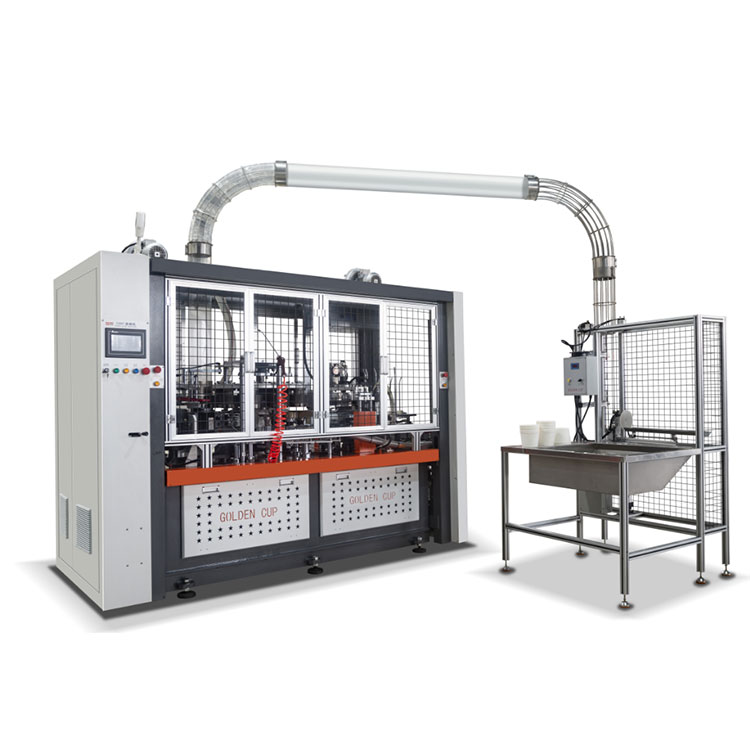
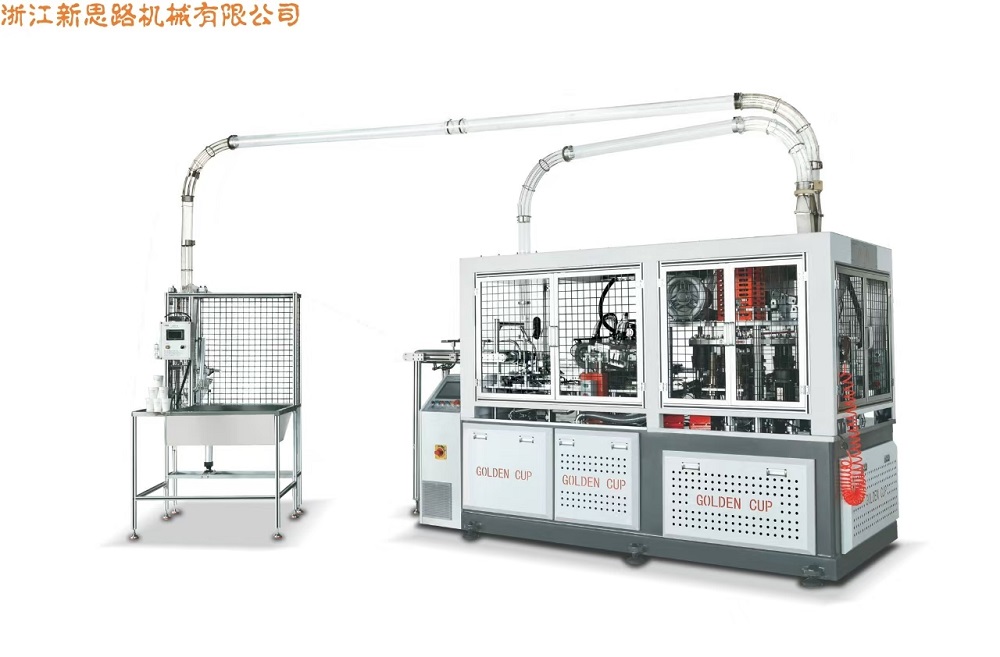
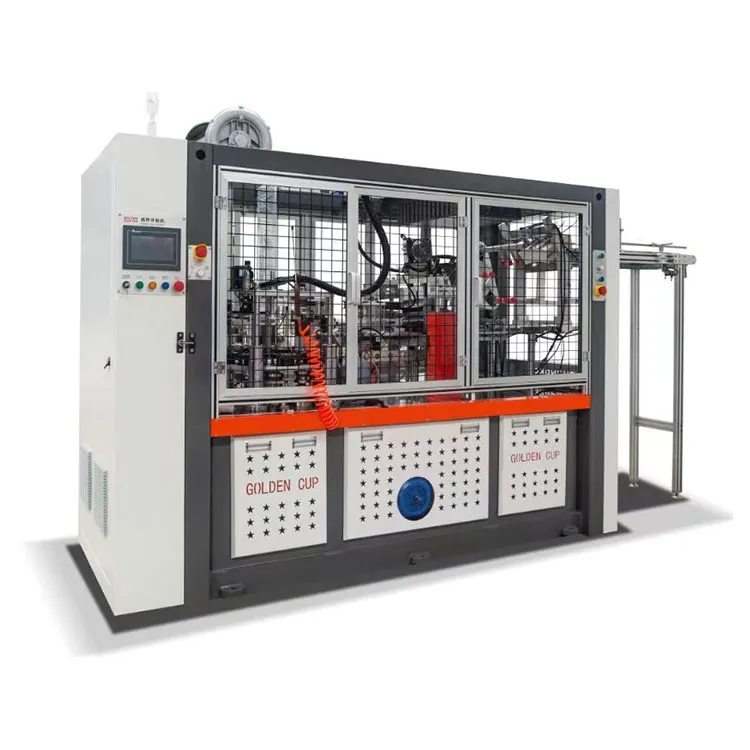
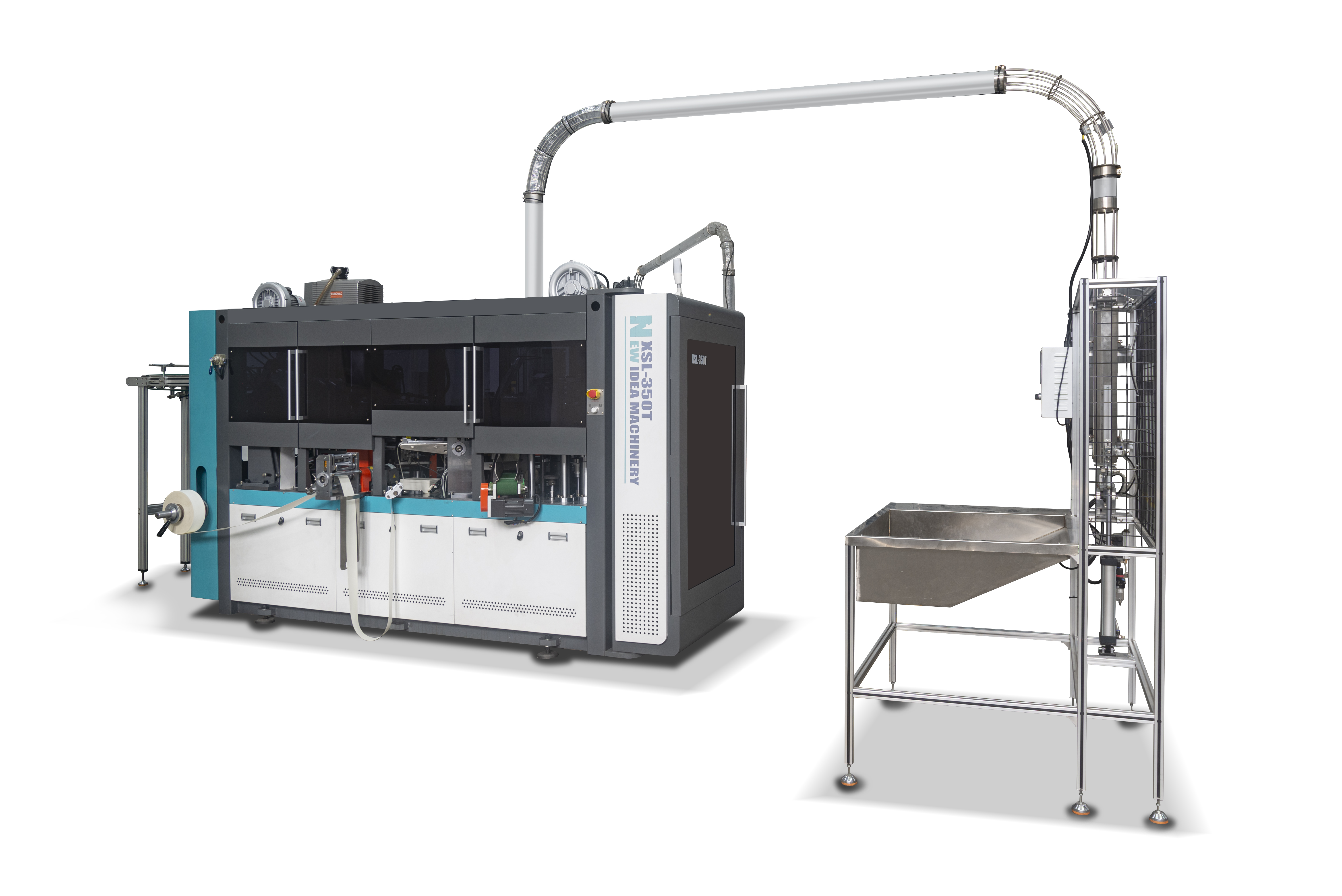
Automatic Paper Cup Machines are the core equipment for high-volume disposable cup production. Unlike semi-automatic or manual alternatives, fully automatic systems integrate paper feeding, forming, bottom sealing, rim curling, and cup ejection into one continuous process. Current high-speed models can produce between seventy and one hundred thirty cups per minute, with some advanced units reaching up to three hundred thirty cups per minute. However, achieving this level of efficiency depends entirely on standardized operating procedures and a scientific maintenance system. This guide provides a practical, step-by-step approach to using these machines effectively.

Pre-Startup Preparation

Before powering on the machine, three basic checks are mandatory. First, inspect the environment and power supply. The equipment must be placed in a dry, well-ventilated, and level area. The power cord should be intact and firmly connected to a matching outlet. Second, verify the raw materials. The paper stock must have uniform thickness and be free of wrinkles or damage. Place the paper rolls neatly on the feeding rack and adjust their position to ensure smooth feeding. Third, confirm the mold and specification settings. If changing the cup size, you must replace the forming mold accordingly and verify that critical components such as the curling cam mechanism have been properly adjusted.

Setting Critical Operating Parameters

Parameter configuration directly affects final product quality and must be adjusted carefully based on production requirements:


  • Cup Dimensions.
Set the diameter, height, and capacity through the control panel. Different machine models have different input methods, so always double-check the settings after entry.
  • Production Speed.
Adjust the speed according to order volume and delivery deadlines. Excessively high speed may cause forming defects, while overly low speed reduces output. It is advisable to run a short trial batch before setting the final speed.
  • Temperature and Pressure.


These must be calibrated based on the specific paper coating and adhesive type. Insufficient temperature leads to weak seals, while excessive temperature can scorch the paper or over-melt the PE coating. Common sealing methods include hot-air sealing and ultrasonic sealing. The latter generates heat through high-frequency vibration and requires a different parameter logic, so always consult the machine manual for the correct ranges.

Monitoring the Running Process

After the preheating phase, you can start automatic production. Continuous attention must be paid to the following areas during operation:

Paper Feeding System. Observe whether the paper moves smoothly into the forming section. If a jam occurs, stop the machine immediately, clear the blockage, and investigate the root cause—this could be a clogged feed path, worn rollers, or uneven paper.

Forming and Sealing Quality. Conduct random inspections at regular intervals. Check whether the side seam is firmly bonded, the bottom seal is completely leak-proof, and the rim curl is smooth and rounded. If sealing defects appear, they are usually linked to incorrect temperature or pressure settings, or to contamination on the mold surfaces.

Finished Cup Collection. Place a collection container at the cup discharge chute. Empty it periodically and remove any visibly defective cups to prevent them from mixing with good products.

Troubleshooting Common Faults

The following table outlines typical issues encountered during production and their corresponding solutions:

Paper Jam. Possible causes include a blocked feed path, uneven paper sheets, or worn feed rollers. Clear the path, replace the paper batch, and repair or replace the rollers as needed.

Poor Sealing. This may result from improper temperature or pressure, dirty mold surfaces, or abnormal ultrasonic parameters. Adjust the temperature and pressure, clean all sealing molds, and check the ultrasonic generator and transducer.

Incorrect Cup Shape. Likely due to misaligned forming molds or using paper of the wrong specification. Recalibrate the mold alignment and switch to the designated paper grade.

Excessive Vibration. Often caused by loose fasteners, unbalanced rotating parts, or an unlevel machine base. Tighten all bolts, perform dynamic balancing, and level the machine with shims.

Inaccurate Cutting. Dull blades or incorrect cutting speed are the usual culprits. Sharpen or replace the blades and adjust the cutting speed accordingly.

For electrical issues, such as the main motor not starting or the heater not reaching set temperature, inspect the wiring connections, overload protection devices, heating coils, and thermocouples.

Establishing a Preventive Maintenance Schedule

A well-structured maintenance plan is the foundation for extending machine lifespan and ensuring consistent product quality. The following frequency is recommended:

Daily Cleaning. At the end of each production shift, thoroughly clean the forming molds, heating elements, and conveyor belts. Remove all paper dust, adhesive residue, and accumulated dust.

Periodic Lubrication. Apply the specified grade of lubricating oil to all chains, gears, bearings, and cam followers according to the manufacturer’s intervals. This reduces friction and prevents premature wear.

Electrical System Checks. Regularly inspect all wiring, switches, sensors, and the control panel. Replace any frayed wires, faulty sensors, or worn contactors immediately.

Replacement of Wear Parts. Forming molds, sealing inserts, and heating elements are consumable items. Monitor their wear condition closely and keep an adequate stock of spare parts to avoid unexpected downtime.

Operator Training. Ensure that every machine operator is trained not only in standard operation but also in basic cleaning procedures and fault recognition. A trained operator can detect abnormal sounds, odors, or temperature fluctuations early and report them before they escalate into major failures.

Strategies for Efficiency Improvement

From a production management perspective, the packaging stage at the end of the cup machine line is often the most labor-intensive. Installing automatic inspection units and automatic packaging machines can significantly reduce manual labor costs and increase overall line throughput. Additionally, retrofitting existing machines with photoelectric sensors for fault detection—such as paper-end warnings, cup misfeed alarms, or counting errors—enables automatic stoppage and reduces both raw material waste and unnecessary power consumption. For factories aiming to raise their automation level, these upgrades represent worthwhile investments.

In conclusion, the practical value of an automatic paper cup machine lies in two equally important aspects: correct operation and disciplined maintenance. Proper operation ensures consistent output quality, while systematic maintenance guarantees long-term, stable production. Only when both are integrated can a manufacturer achieve the maximum return on their equipment investment.

Related News
Leave me a message
X
We use cookies to offer you a better browsing experience, analyze site traffic and personalize content. By using this site, you agree to our use of cookies.Privacy Policy
RejectAccept