News

Paper Bowl Machine Industry Focus: Automation, Maintenance, and Sourcing Solutions

2026-05-29 0 Leave me a message

Paper Bowl Machine Industry News

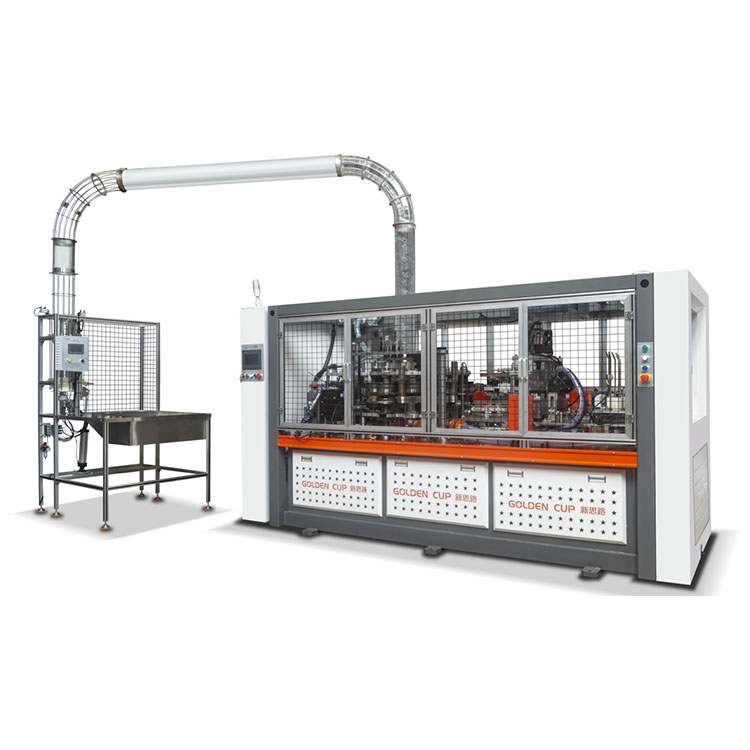
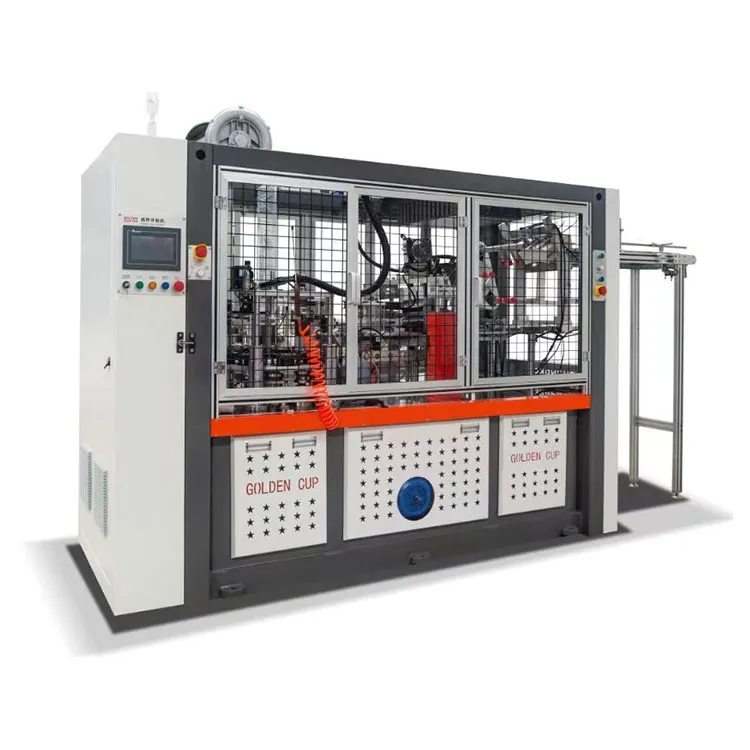
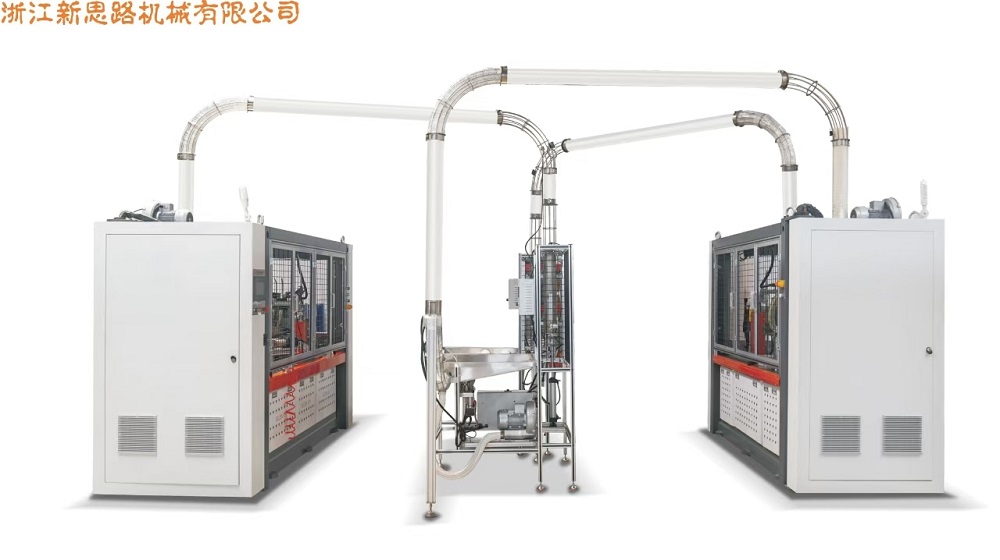
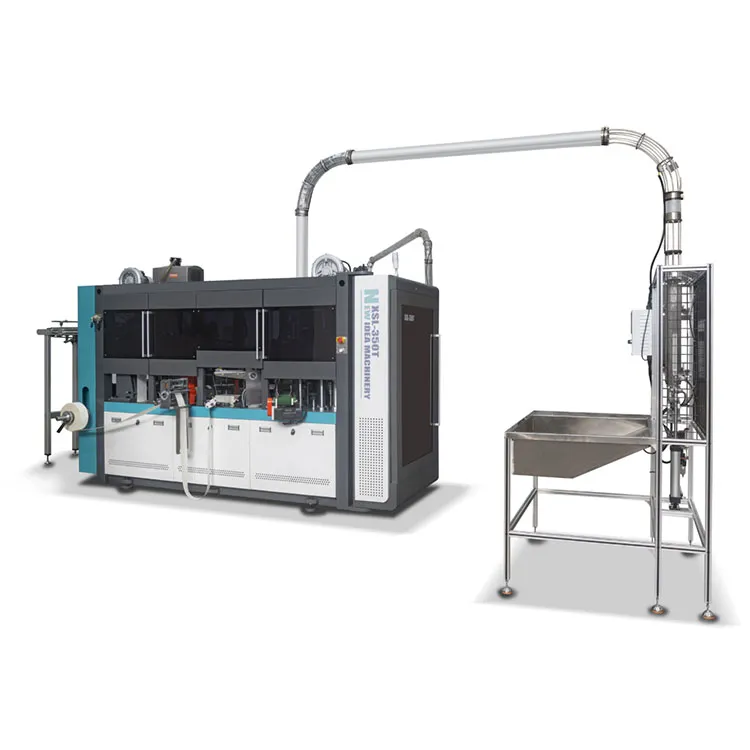
The global paper bowl machine market continues to grow as single-use plastic bans expand worldwide. Manufacturers in Zhejiang and Henan provinces supply the majority of global demand. Buyers increasingly focus on automation, maintenance practices, and supplier reliability. This report addresses common customer pain points: high labor costs, frequent breakdowns, poor molding quality, and provides practical solutions.


 Labor & Efficiency: Moving to Fully Automatic Systems

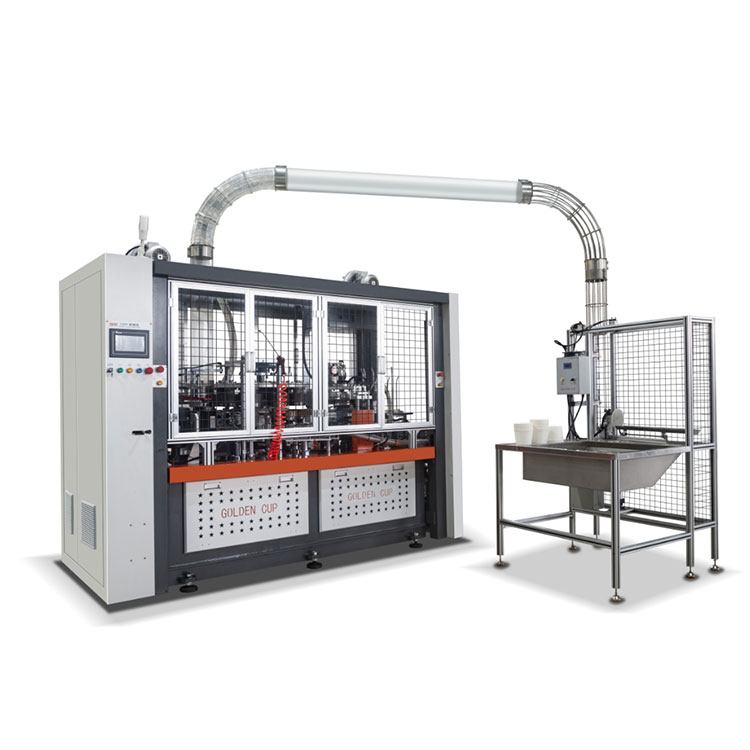
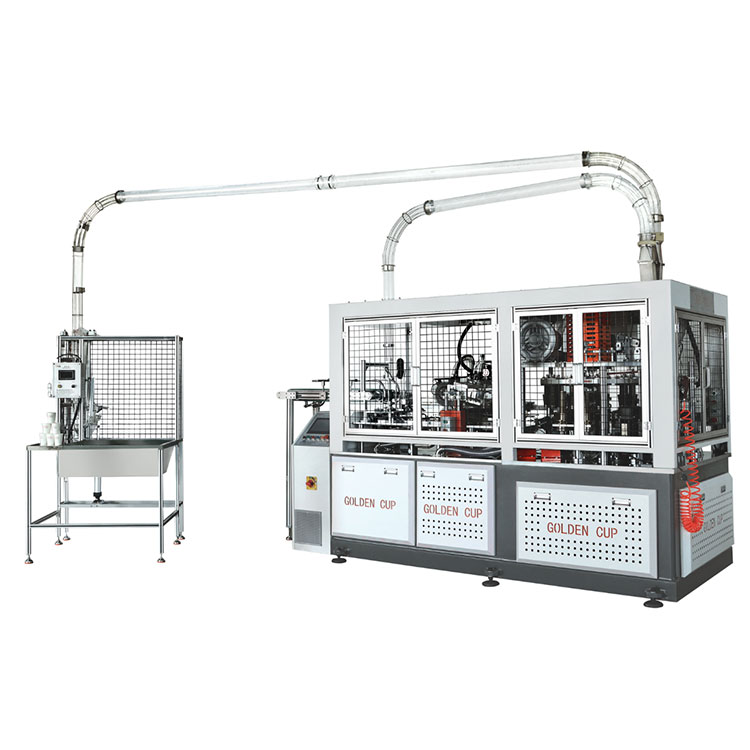
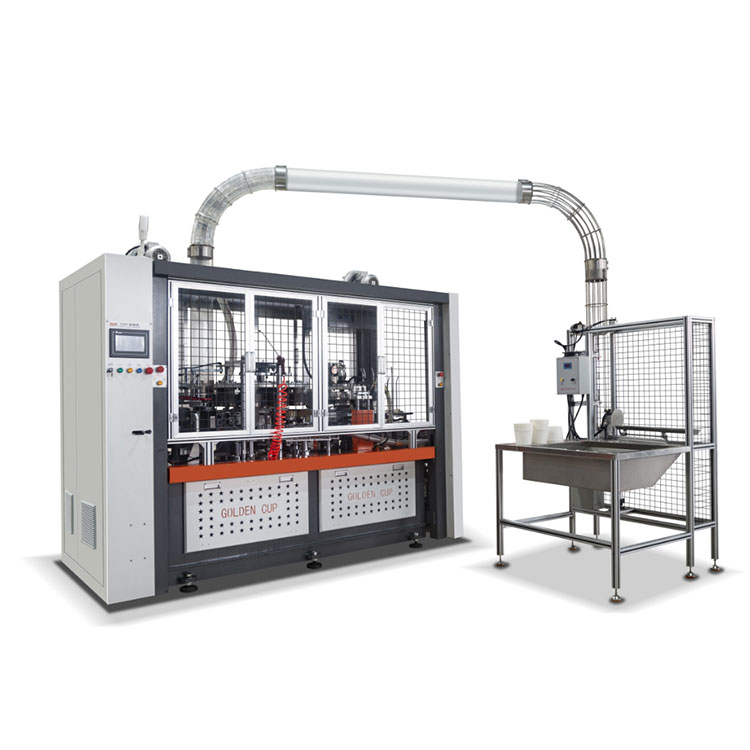
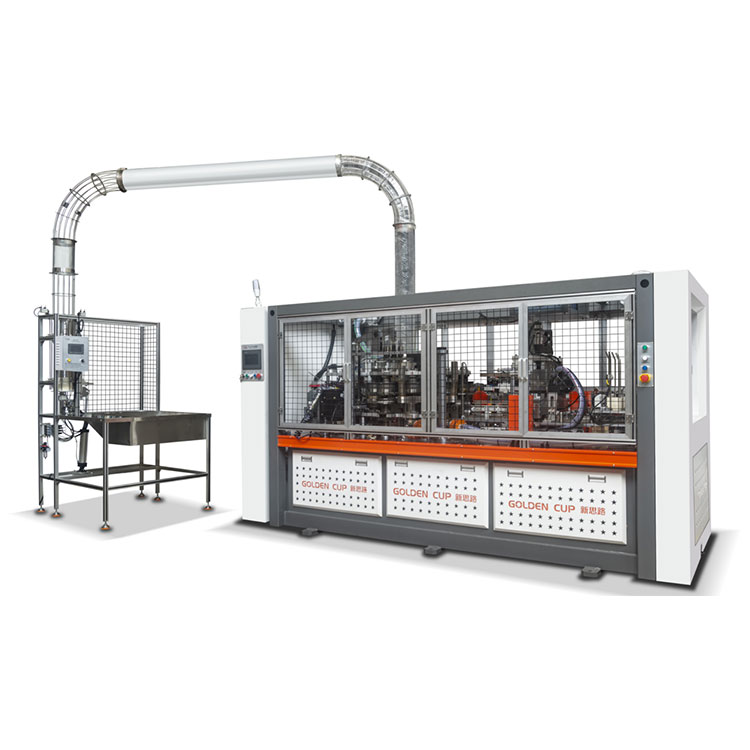
Semi-automatic paper bowl machines often require 5-6 operators per line. Fully automatic PLC-controlled systems reduce this to 1 supervisor.

Metric Semi-Automatic Fully Automatic Improvement
Operators per line 5-6 workers 1 supervisor 65-80% labor cost reduction
Cycle time per bowl 25+ seconds 6-8 seconds 70% faster
Daily output (8 hours) ~8,000 units ~18,000+ units 125% gain
Operational uptime ~68% ~92% +24 percentage points

Real example: One packaging facility reduced hourly wage costs from $38 to $13 after switching to an automated system. The machine handles feeding, stacking, and basic quality checks automatically.

Maintenance Best Practices: Solving Breakdown Problems

Most unexpected downtime comes from inadequate daily maintenance. Follow this tiered schedule to extend machine life and reduce failures.

Daily Maintenance (Every Shift)

  • Use compressed air to blow out paper dust and adhesive residue from rollers, belts, and molds.
  • Apply 32# machine oil to bearings, chains, and cam dividers every 8 hours.
  • Check main belt tension (180-220N) and chain sag (15-20mm).
  • Measure heating plate temperature with infrared thermometer: target 180°C to 220°C.

Monthly Maintenance

  • Electrical inspection: check motor insulation resistance (≥1 MΩ), tighten terminals, clean photoelectric sensors with alcohol.
  • Mold blade wear: if wear exceeds 0.1mm, regrind or replace.
  • Die closing gap: adjust to 0.05-0.1mm using a feeler gauge.

Quarterly Maintenance

  • Change gearbox lubricating oil every 500 operating hours; replace filter every 2,000 hours.
  • Remove heating plates and descale with 5% citric acid solution.
  • Back up PLC program and inverter parameters.

Long-Term Shutdown (Idle for Weeks)

  • Apply anti-rust oil (e.g., WD-40) to exposed metal parts and mold surfaces.
  • Power on the equipment for 15 minutes every two weeks to prevent moisture buildup.

Spare parts tip: Keep a one-month inventory of belts, chains, bearings, heaters, and sensors. Establish a supply agreement with your manufacturer for 48-hour emergency delivery.

Solving Molding Quality Issues with AI Vision

Poor bowl quality (wrinkled rims, weak seam strength, inconsistent dimensions) wastes 12% or more of raw materials in manual operations.

Modern paper bowl machines integrate AI-powered vision systems that perform real-time defect detection at speeds up to 18,000 units per hour. These systems identify sealing defects, material inconsistencies, and structural flaws instantly.

Defect Type Manual Rejection Rate AI Vision Performance Result
Sealing strength failure ~9% false escapes 99.2% detection accuracy Scrap reduced by 65%
Wrinkled rim / curl ~12% waste Real-time rejection Overall waste drops to 4%

Calibration requirements: Temperature sensor deviation ≤ ±2°C, forming pressure tolerance ±5%, print registration accuracy ≤0.1mm at high speed. Calibrate quarterly.

Supplier Sourcing Guide: How to Choose Reliable Manufacturer

Prices range from $8,000 to over $75,000 depending on automation level and features. Use these criteria to evaluate suppliers.

Criterion What to Look For Red Flags
On-time delivery ≥94% track record Consistent delays, no clear logistics
Response time Sub-3-hour replies Slow or no responses
Certifications CE, ISO 9001 available upon request No documentation offered
Factory size >3,000m² with dedicated assembly lines No factory tour available
After-sales support Remote troubleshooting, English manuals, spare parts availability No warranty or vague terms

Price Reference (2025-2026)

  • Zhejiang Good Machinery Co.: $8,000 – $32,000 — fully automatic, supports customization, 100% on-time delivery.
  • Henan Ocean Machinery: $16,750 – $75,335 — high-end square-bottom and kraft cone systems.
  • Zhengzhou Yugong: $12,000 – $13,500 — cost-effective for startups.
  • Wenzhou Qichen: $14,000 – $37,000 — roll-fed salad/fried chicken bucket lines.

Procurement best practices: Request a sample unit test (8-hour continuous run). Demand pre-shipment video evidence of operation and energy consumption logs. Avoid full prepayment — use escrow services. Verify spare parts lead times before signing.

Quick Reference: Customer Problems & Solutions

Customer Problem Practical Solution
Too many operators, high labor cost Upgrade to fully automatic PLC-controlled system (1 supervisor handles all).
Frequent breakdowns Implement daily cleaning + lubrication schedule; replace air filter every 3 months.
Poor bowl quality (wrinkles, weak seams) Calibrate temperature sensors quarterly; adjust die gap to 0.05-0.1mm.
High material waste (>12%) Install AI vision inspection for real-time defect detection.
Unsure which supplier to trust Request sample testing, pre-shipment video, and third-party inspection.
Machine idle for long periods Apply anti-rust oil and power on for 15 minutes every 2 weeks.


Related News
Leave me a message
X
We use cookies to offer you a better browsing experience, analyze site traffic and personalize content. By using this site, you agree to our use of cookies. Privacy Policy
Reject Accept